A cottage should look gathered over generations, not bought in an afternoon. My loose rule: no more than 1 piece in 3 should be newly bought. The warmth of an old cottage comes from a mix of inherited pieces, foraged garden finds. And a few well-chosen new things, all settled together as though they accumulated over decades. Here's how to mix the old, the grown, and the new so a cottage reads real rather than staged.
Inherited Pieces Bring the Soul
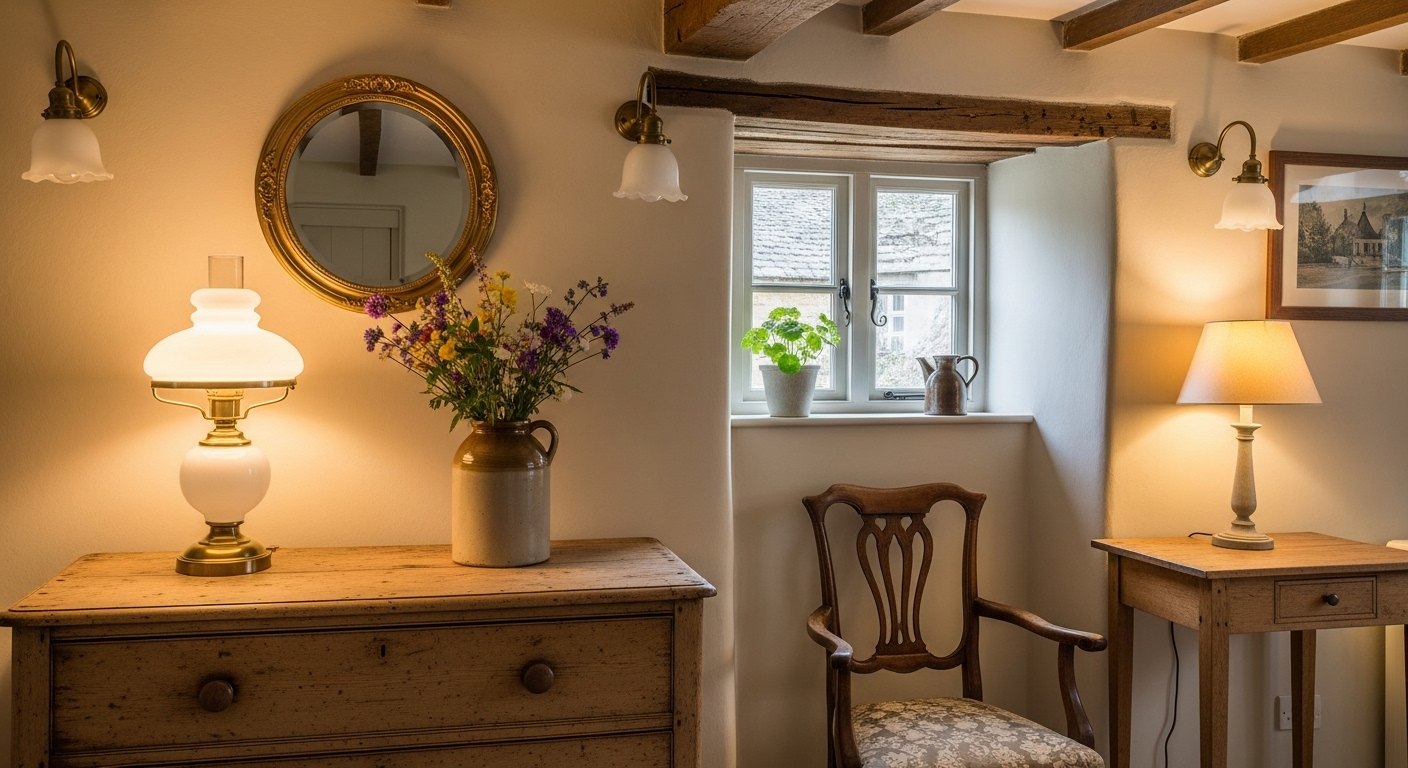
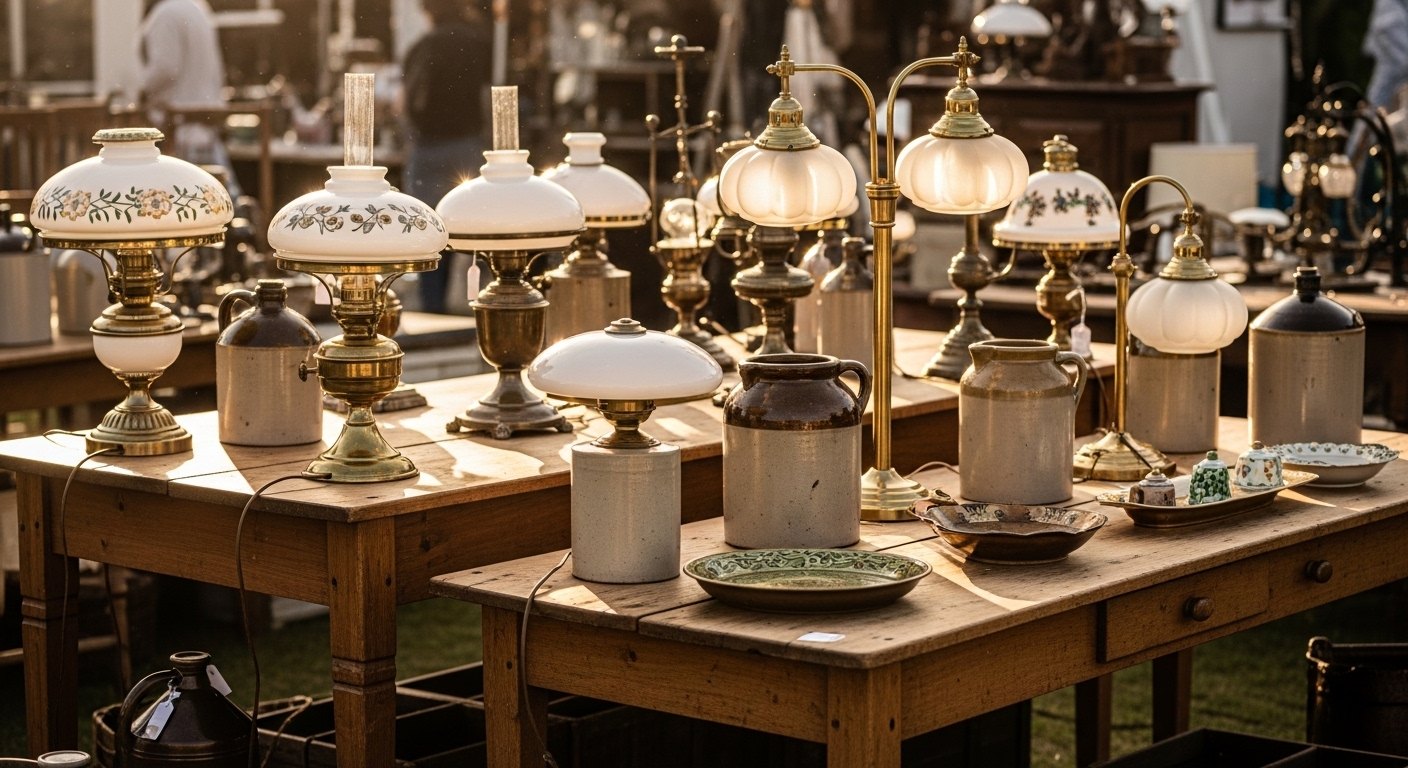
The pieces with the most soul are the ones with a history, a grandmother's dresser, an inherited chair, a chipped jug that's always been in the family. These carry patina and story that nothing new can fake, and they anchor a cottage in a sense of time. Build a room around the inherited pieces and let everything else defer to them.
Forage From the Garden
Foraging, bringing in branches, blossom, seed heads, herbs, and flowers from the garden and hedgerow, is the most authentic and affordable cottage touch there is. A jug of foraged stems on the table, changing with the season, makes the cottage feel alive and tied to its garden. A wall vase or a row of jugs of cuttings is free decoration that no shop can sell you.
Buy New Where You Need To
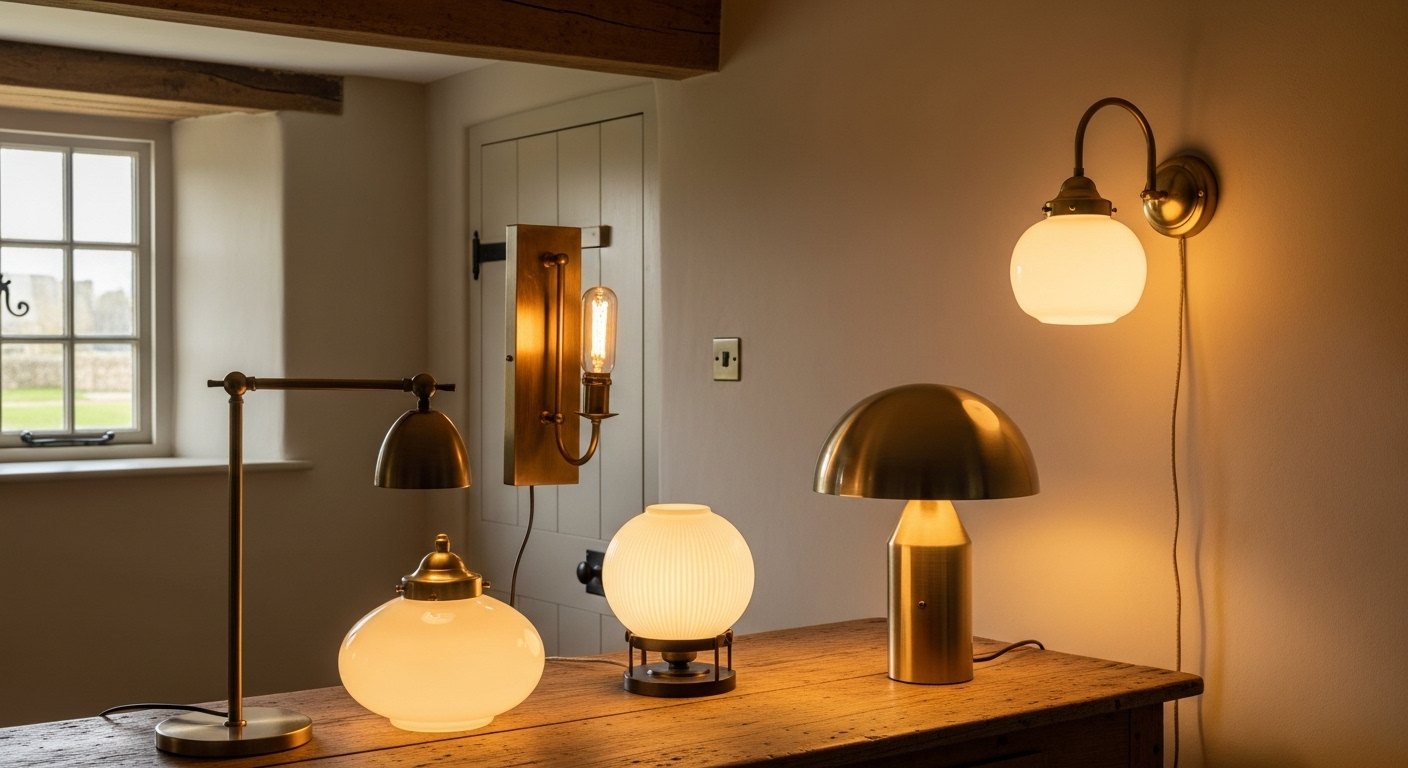
Some things should be new, a comfortable sofa, a good mattress, and often the lighting, where modern wiring and warm LED compatibility matter in an old house. Use new pieces for comfort and function, and let the inherited and foraged things bring the character. This split gives you a cottage that's soulful to look at and comfortable to live in.
The Palette Ties It Together
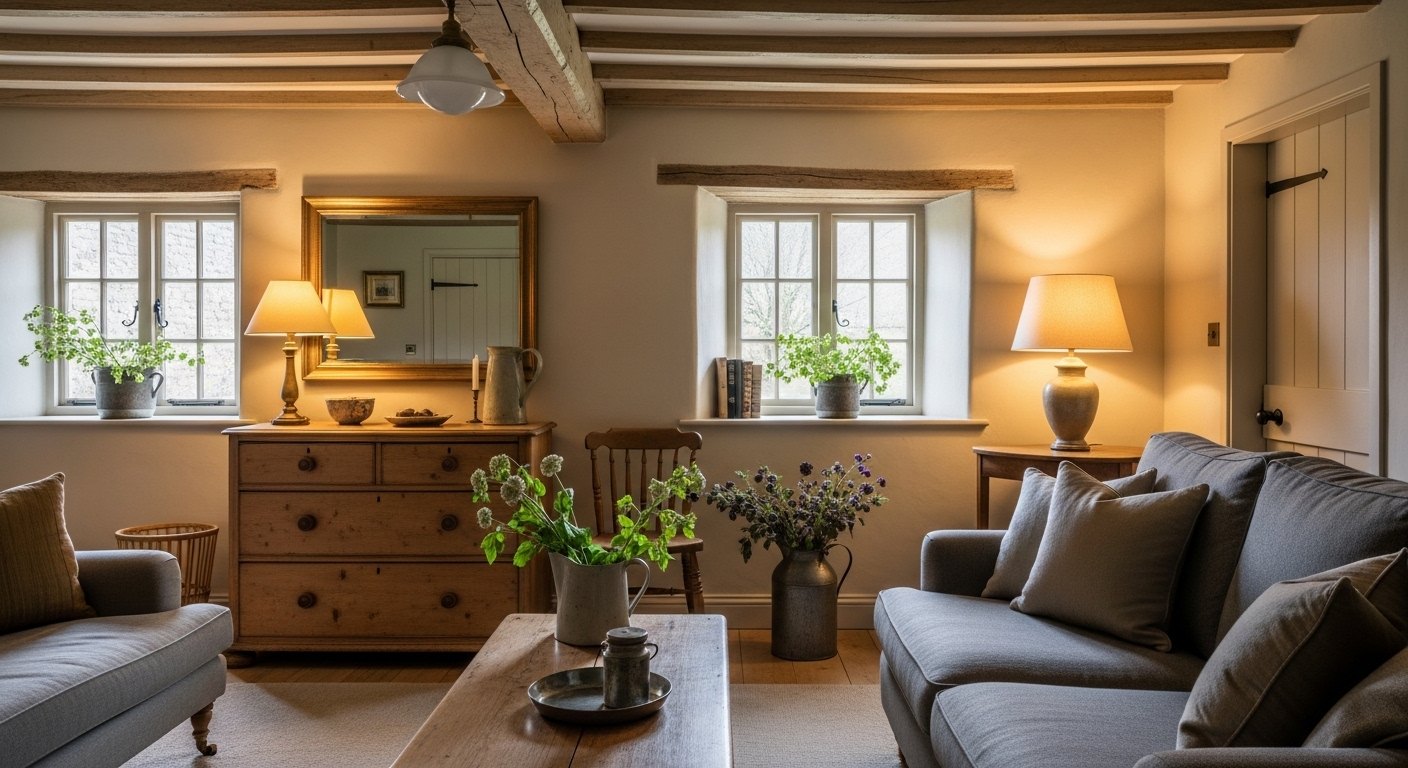
The single trick that makes a gathered mix work is a consistent, soft palette. If everything lives in warm neutrals, soft heritage colours, and natural materials, an inherited dresser sits happily beside a new sofa and a jug of garden stems. The shared colour and material story turns variety into a collected whole rather than a clash.
Edit Ruthlessly
The risk with gathered, collected rooms is clutter. A coherent palette lets varied pieces coexist, but only if you give them room to breathe. Edit hard, keep the pieces with soul and use, and let go of the rest. Negative space and a clear surface are what separate a collected cottage from a cluttered one.
Embrace the Mismatch
Don't try to make a cottage match. Mismatched chairs, an inherited table, new lamps, a foraged jug. The slight mismatches are exactly what make it read as accumulated over time. A matching suite is the one thing that breaks the cottage spell. Let things not quite go together, and the room feels real.
Let It Change With the Seasons
A gathered cottage is never finished. The foraged stems change weekly, the odd new find arrives, things get rearranged. That gentle, ongoing change is part of the charm; the cottage is a living thing, not a styled set. The inherited bones stay, the garden cuttings come and go, and the whole house feels grown rather than decorated.
Gathered, Grown, and Real
Mix the inherited for soul, the foraged for life, and the new for comfort, tie it all together with a soft palette and warm lamplight. And edit until it breathes. That's the whole recipe for a cottage that looks as though it grew over generations, because the best ones did. And the look is entirely achievable however long you've actually lived there.
Make a Gathered Room Look Intentional
The trick to mixing inherited, foraged, and new without clutter is a consistent soft palette and ruthless editing. If everything sits in warm neutrals, heritage colours, and natural materials, an inherited dresser, a new sofa, and a jug of foraged stems read as one gathered whole. Repeat a wood tone or a metal finish across old and new, and leave room to breathe.
What to Buy New, Old, and Foraged
Buy new for comfort and function, a sofa, a mattress, the lighting where modern wiring matters. Buy or inherit old for soul, dressers, chairs, lamps, jugs with patina. And forage free, from the garden, for life and the seasons. That three-way split gives a cottage that's soulful to look at and comfortable to live in.
Shop this post: table lamps for the living room and wall vases and pots